
Change mobile provider and you keep your number. Leave Instagram and you lose everyone who follows you.
A group of 45 app builders wants the EU to fix that. In a paper dated this month, they ask the European Commission for a right to take your network with you when you leave a social platform. They want it in the Digital Fairness Act, the EU's planned update of online consumer law, which is on the Commission's provisional agenda for 11 November.
We hope they get it. Today, an app like Flashes, which the paper calls a European Instagram alternative, doesn't only have to beat Instagram's app. It has to beat the fact that everyone you know is on Instagram.
Try leaving today
The builders tested it in September. Getting your data out of Instagram took 16 steps. X gave them followers as numbers, with a link to each profile but no names. LinkedIn's file listed 1,710 connections, and only 18 came with an email address.
On all three, your followers stay behind. You get a file, not a working account. One builder calls it "dead data". According to the paper, the GDPR and the Digital Markets Act let you ask for your data, but they don't move your connections in a form another service can use.
What they want instead
Your account would sit in a "personal data server" that holds your posts and your connections, built to one standard that every platform must follow. You could use any app you allow with the same account. You could also switch to another host, the way you keep your number when you change provider. The paper says your contacts wouldn't see a difference.
They also want a simple rule: quitting should take no more effort than signing up.
And they want a ban on tricks that keep you from finding your contacts on other apps, such as hiding links to your profiles on other services. X bans "account matching" tools, which help you find people you follow on other platforms. The builders say EU enforcement can't reach that ban, because the Digital Markets Act's interoperability rules don't cover every large social network.
The catches
It isn't only about Europe. The standard they propose starts from the AT Protocol, which Bluesky runs on, and a builder from the US company Bluesky PBC signed. Bluesky reports more than 45 million registered users. The Modal Foundation, which coordinates the paper, is also home to the European network Eurosky. So the builders have a stake in this, and a right to move would help every challenger, American ones too.
The technology isn't finished. The paper says the AT Protocol's data server handles only public data in production today. Private data is in testing, and the paper expects it in late 2026 or early 2027.
Nothing is decided. The Commission hasn't presented its proposal, we don't know whether it covers followers, and a proposal isn't a law.
On 3 November, the paper's site listed 70 signatories from 15 countries, 45 of them builders. They include Sherif Elsayed-Ali of Eurosky and Robin Berjon of the IPFS Project.
Start now
Don't wait for Brussels if you already want to leave. Moving is manual for now: open an account on another network and tell your followers where to find you. If your work depends on your reach on a big platform, keep that account and build the new one next to it.
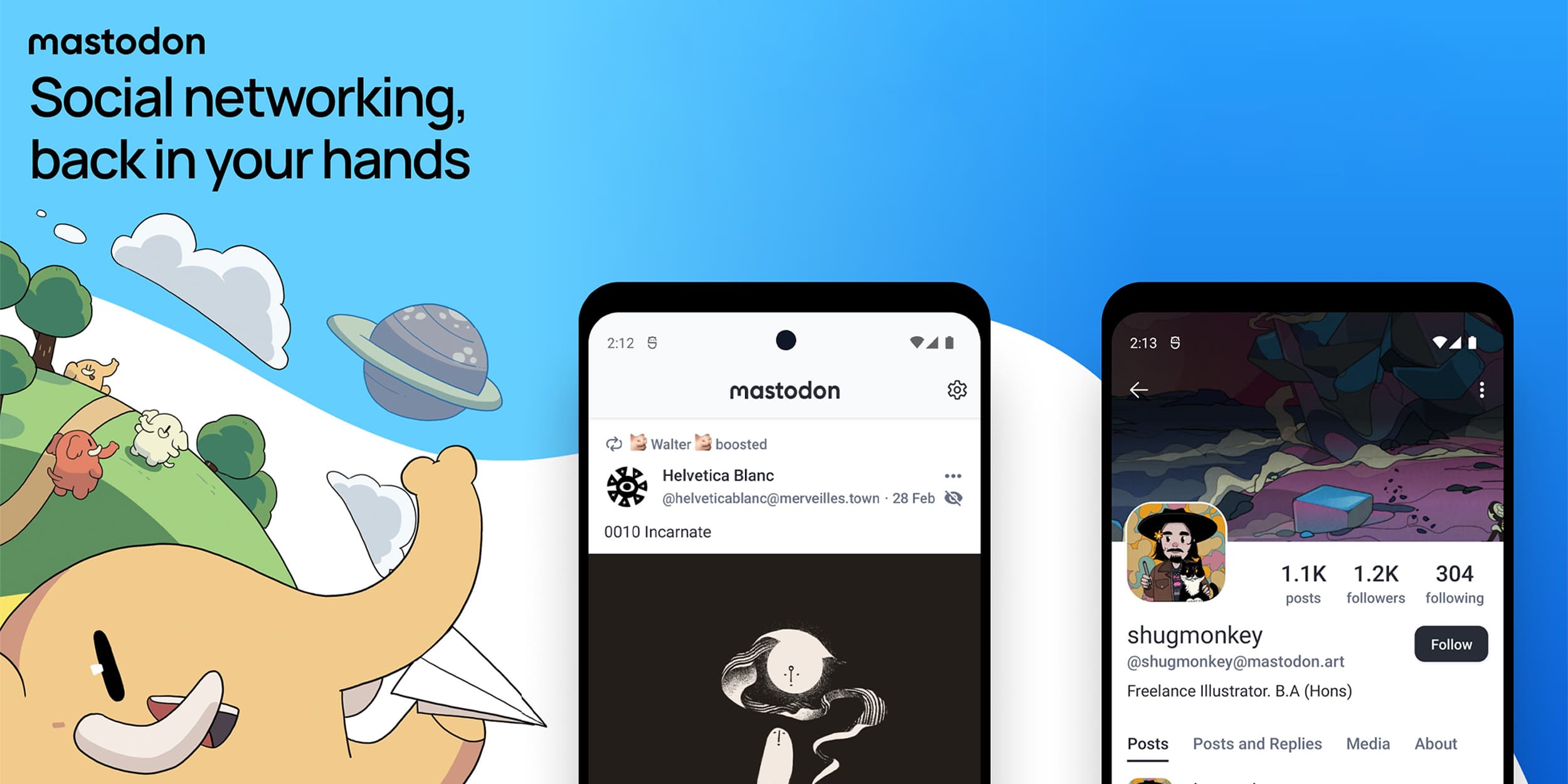
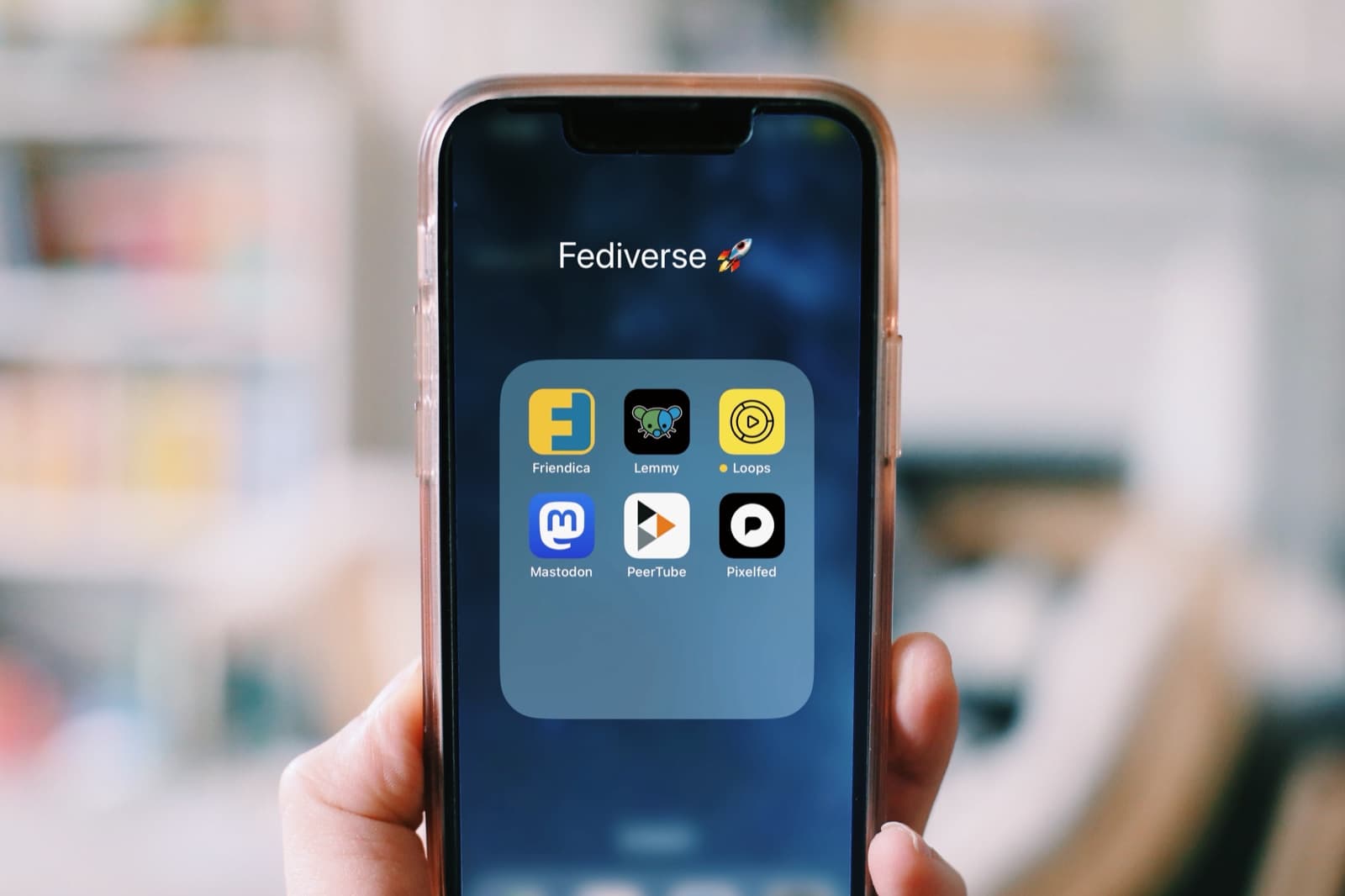
Mastodon is the EU-based option in our social media list. A German nonprofit builds the software, and thousands of independent servers connect through the ActivityPub protocol. The trade-off is a smaller audience: about 800,000 to 1 million monthly active users.
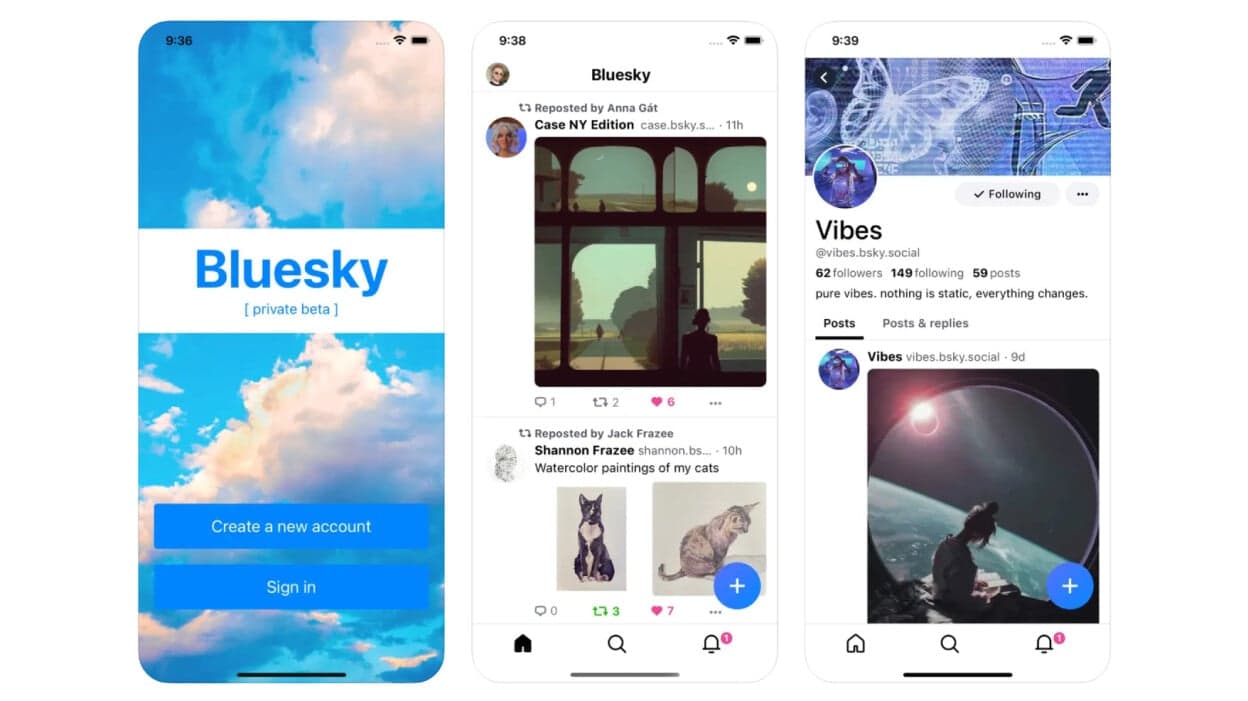
Bluesky runs on the AT Protocol. The company is based in Seattle, its servers are in the United States, and its privacy policy says your data can be stored anywhere. Moving from X? Our X to Bluesky guide shows how to find the people you already follow with a browser extension.