Where is the company based?
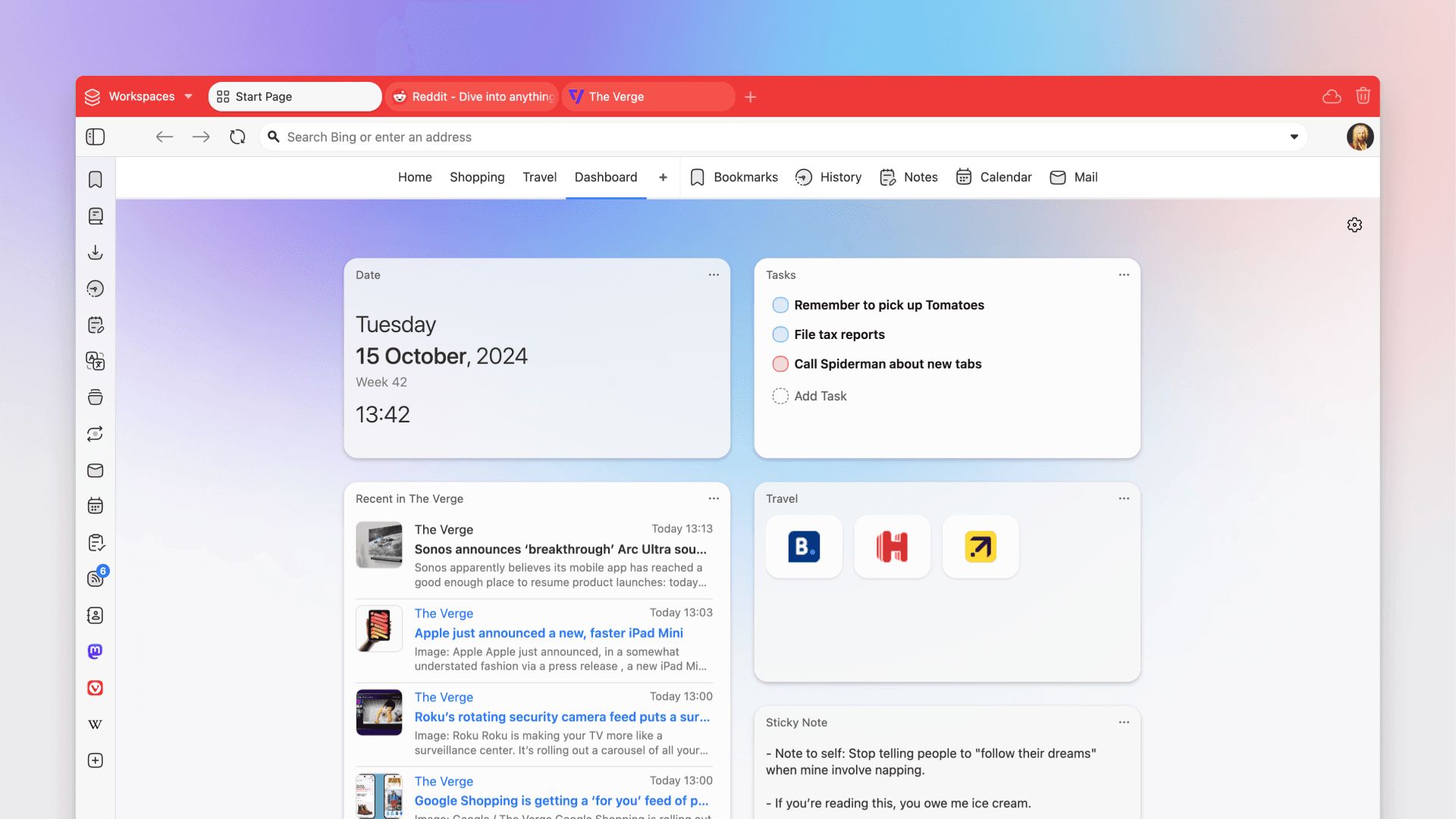
Only one browser on this page comes from a company with its head office in an EU member state: Ecosia Browser, from Ecosia in Berlin. Vivaldi comes from Oslo. Norway is in the European Economic Area but not in the EU, and Norway's data protection authority says the GDPR binds Norway the same way as EU member states.
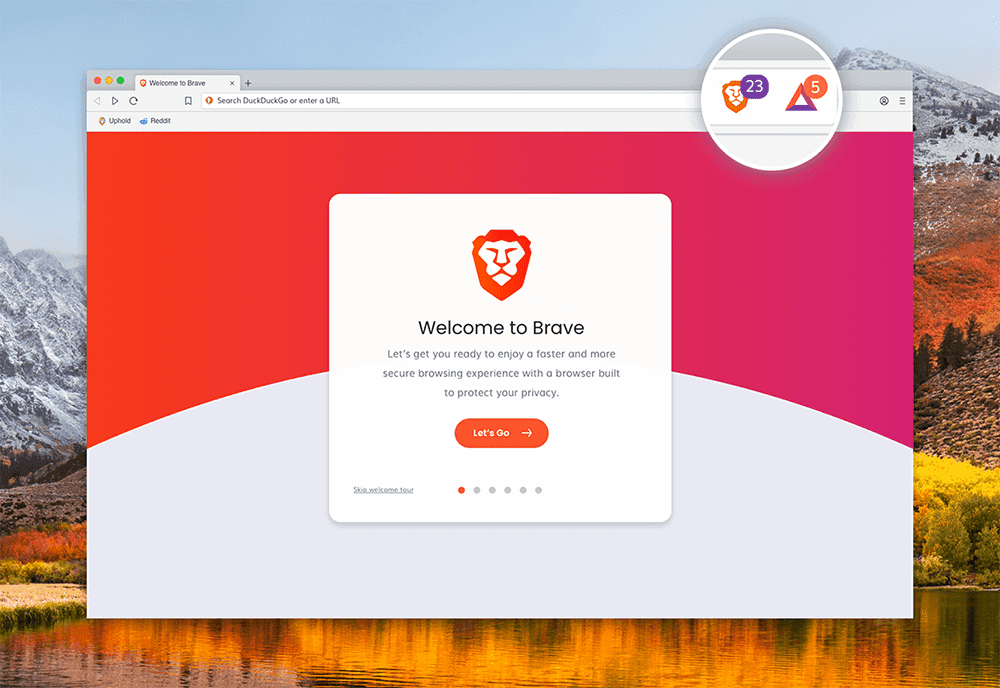
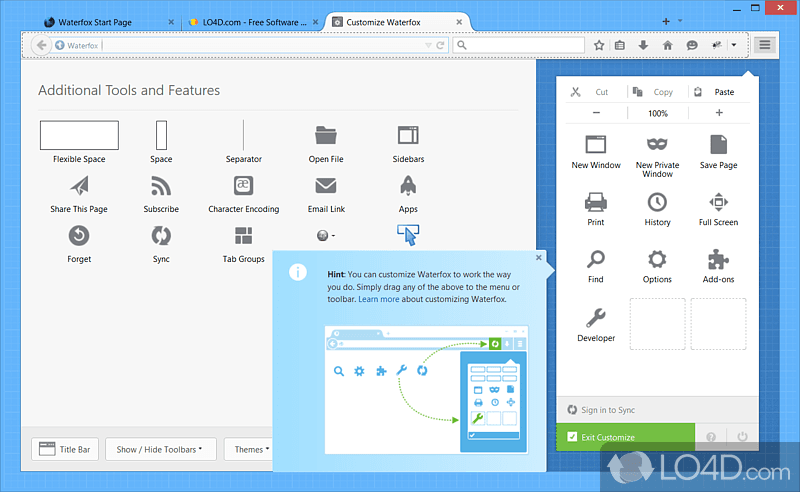
Waterfox is made by BrowserWorks in London. Brave Software has its head office in San Francisco and a GDPR representative in Ireland.
Do your Chrome extensions need to come along?
Vivaldi and Brave are built on Chromium, the open-source base of Chrome. Vivaldi says most extensions from the Chrome Web Store work, though some behave differently. Waterfox is based on Firefox, so Firefox add-ons take the place of your Chrome extensions. Ecosia's help pages don't say whether its desktop browser runs Chrome extensions.
How much gets blocked from the start?
Brave blocks ads and trackers on every site by default. Waterfox does the same on desktop. Vivaldi has three levels (no blocking, trackers, or trackers and ads) and recommends blocking trackers everywhere and ads only where they get in the way. For its desktop browser, Ecosia recommends switching on Block Ads and Trackers in the privacy settings.
Two blockers make an exception for their own income. Vivaldi lets ads from its partner search engines through, even when you block ads on all sites. Ecosia's blocker leaves Ecosia's own search ads alone.
Who pays for a free browser?
All four browsers are free to download. Vivaldi lists deals with search engines and bookmark partners as its income, plus donations. Ecosia earns from ads on its search results and says 100% of its profits go to climate action. Waterfox gets search royalties from Qwant, the Paris search engine that became its default in supported regions in July 2026. Brave sells ads in the browser and on Brave Search, plus paid extras such as a VPN, listed in US dollars.
Do you browse on an iPhone too?
Vivaldi, Ecosia and Brave have apps for Android and iOS. Waterfox lists versions for Windows, macOS, Linux and Android, and none for iPhone or iPad.
To keep bookmarks and passwords in step between computer and phone, look at the sync. Vivaldi encrypts synced data with a password that, according to Vivaldi, never leaves your devices, and stores the data in Iceland. Brave says only you hold the key to your synced data. Ecosia accounts don't sync passwords between devices.